Login
Login

 Free Trial

 Server Config
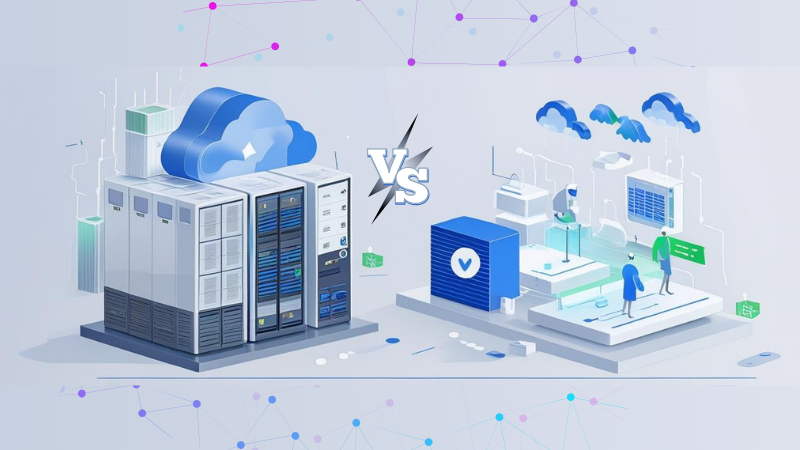
When application performance falters under heavy loads, or security audits flag shared infrastructure, businesses face a critical decision: should they invest in dedicated bare metal servers or rely on the flexibility of virtualized environments? As digital transformation accelerates, the right infrastructure is essential for everything from latency-sensitive fintech platforms and real-time gaming to scalable e-commerce and AI workloads. The challenge is to strike a balance between control, cost, reliability, and scalability—without sacrificing operational agility or compliance requirements.
Key Takeaways
- Bare metal servers provide uncompromised performance, resource isolation, and deep hardware control, ideal for intensive workloads and strict compliance needs.
- Virtualized servers offer agility, rapid scaling, and cost efficiency for businesses with variable demand and evolving requirements.
- Strategic infrastructure selection—aligned with business goals and workload patterns—is fundamental to optimizing IT investments.
- XLC’s portfolio focuses on high-performance bare metal solutions, with customization and global deployment options to support diverse use cases.
Understanding the Architecture: Bare Metal vs Virtualized Servers
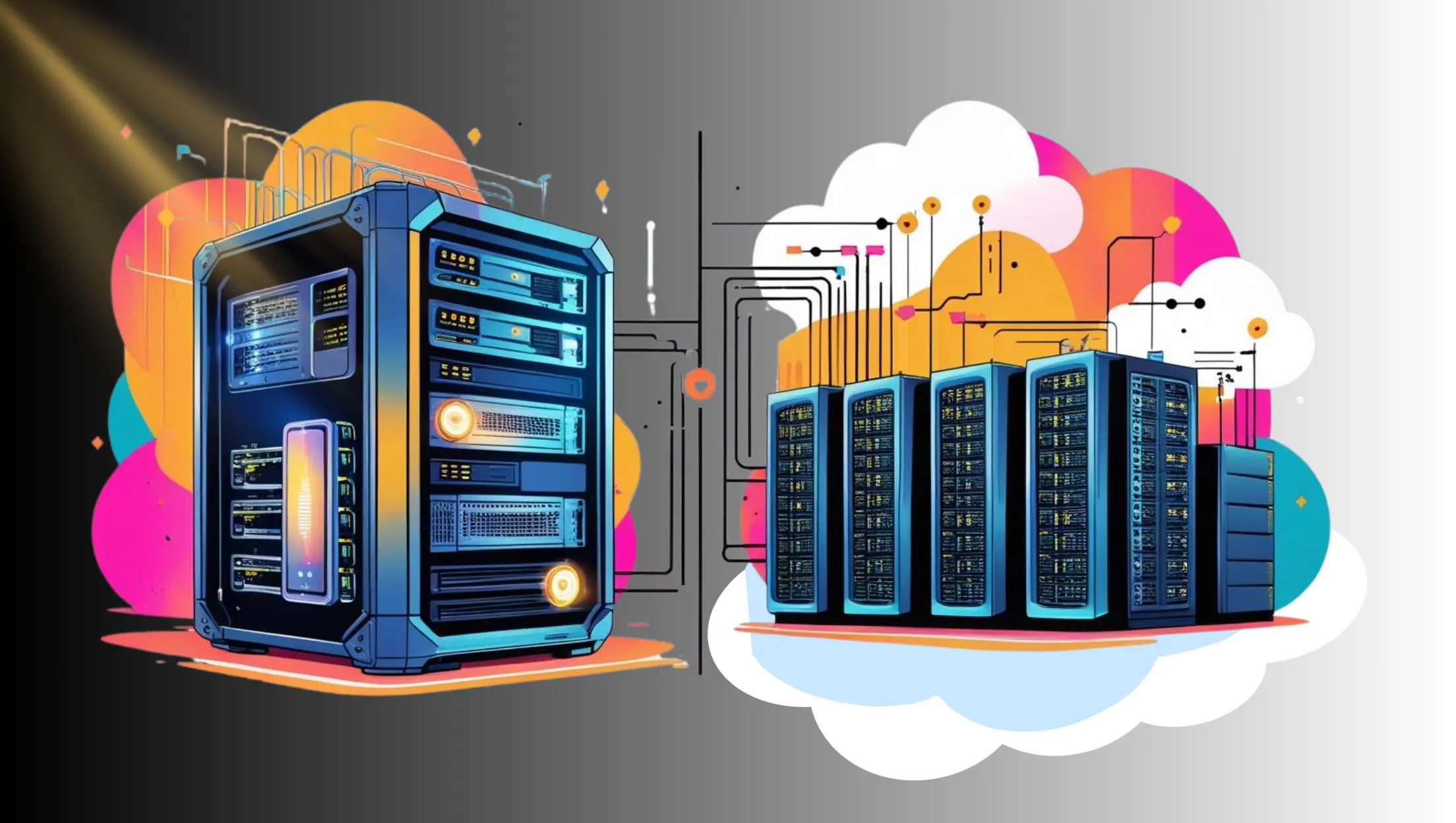
At the core, the difference between bare metal and virtualized servers lies in the relationship between software and hardware resources.
| Feature | Bare Metal Server | Virtualized Server (VM) |
| Hardware Access | Direct, exclusive | Shared via hypervisor |
| Resource Allocation | 100% dedicated | Dynamically shared |
| Performance Overhead | None | 5-15% hypervisor tax |
| Isolation | Physical, single-tenant | Logical, multi-tenant |
| Control | Full (BIOS, firmware, kernel) | Limited to VM environment |
| Scalability | Manual, hardware-based | Automated, software-based |
| Provisioning Speed | Hours to days (custom builds) | Minutes (instant deployment) |
| Cost Model | Fixed/monthly, higher upfront | Pay-as-you-go, operational expense |
| Maintenance | User-managed | Provider-managed |
Bare Metal Server Benefits: Deep Dive
Bare metal servers, such as those offered by XLC, are physical machines dedicated to a single client. With no virtualization layer, businesses gain direct access to all CPU, RAM, and storage—enabling performance tuning at both OS and hardware levels. This architecture is critical for:
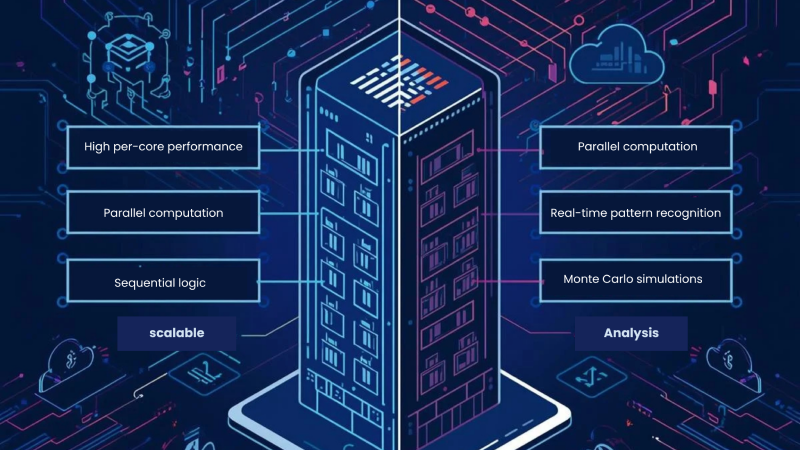
- High-Performance Computing (HPC): Applications like financial trading, genomics, and scientific simulations demand ultra-low latency and consistent throughput. Bare metal servers eliminate the “hypervisor tax,” ensuring every core and byte of memory is available to the application.
- Database and Big Data Workloads: Large-scale databases (e.g., PostgreSQL, MongoDB, Cassandra) and analytics engines (Apache Spark, Hadoop) benefit from predictable IOPS, high concurrency, and the ability to leverage custom storage arrays or RAID configurations.
- Compliance and Security: Industries bound by PCI DSS, HIPAA, GDPR, or similar regulations often require physical isolation. Bare metal provides a clear audit trail, hardware-level security modules (TPM, HSM), and customized firmware settings.
- Customization and Hardware Access: Full control over BIOS, kernel modules, and device drivers allows for fine-grained tuning and support for specialized hardware such as GPUs, FPGAs, or NVMe arrays—crucial for AI/ML, rendering, and edge computing.
Virtualized Server Advantages: Flexibility at Scale
Virtualized environments, built on hypervisors, create multiple isolated VMs on a single physical server. This abstraction brings several distinct advantages:
- Rapid Provisioning and Elastic Scaling: Spin up or down resources in minutes to match workload spikes or seasonal demand. Virtual servers are well-suited for development, testing, and dynamic production environments.
- Cost Efficiency: Pay only for what you use, avoiding the overhead of underutilized hardware. Ideal for startups, variable workloads, and budget-conscious projects.
- Portability and Disaster Recovery: VMs can be cloned, migrated, or restored across different physical hosts, ensuring minimal downtime during maintenance or outages.
- Management and Automation: Providers handle patching, monitoring, and hardware failures, allowing internal teams to focus on application delivery rather than infrastructure upkeep.
Although virtualized servers offer these advantages, XLC specializes exclusively in bare metal server solutions, ensuring clients benefit from dedicated resources and maximum performance.
Server Solutions for Businesses: Choosing the Right Fit
Selecting between bare metal and virtualized servers is rarely a binary decision. The key is to align infrastructure with workload characteristics and business outcomes. For organizations requiring consistent performance, security, and advanced customization, bare metal is often the optimal choice.
| Use Case | Bare Metal Server | Virtualized Server |
| High-frequency trading | ✓ Ultra-low latency, hardware tuning | – |
| E-commerce scaling | – | ✓ Instant scaling, cost flexibility |
| SaaS platforms | ✓ For consistent, heavy workloads | ✓ For multi-tenant, bursty workloads |
| Video streaming | ✓ Dedicated GPU, bandwidth guarantees | ✓ For scalable, global delivery |
| Development/testing | – | ✓ Rapid deployment, easy resets |
| Compliance-heavy apps | ✓ Physical isolation, auditability | – |
XLC’s Approach to Bare Metal Infrastructure
Modern businesses often require a blend of dedicated hardware for production and flexible environments for testing. XLC’s infrastructure supports this hybrid reality by focusing on high-performance, customizable bare metal solutions, including:
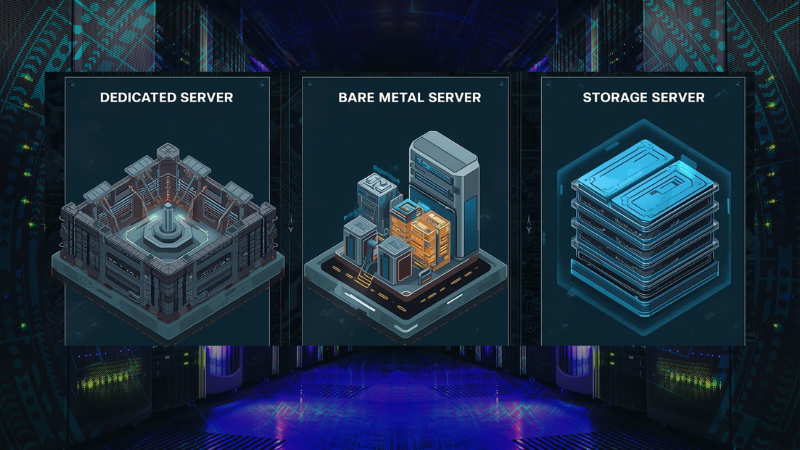
- Bare metal servers powered by AMD EPYC and Intel Xeon CPUs, configurable for gaming, fintech, and streaming workloads.
- Dedicated GPU servers for AI/ML, rendering, and analytics—available in Hong Kong, Los Angeles, and Tokyo.
- High-capacity storage servers with NVMe Gen4 SSDs and ECC memory, ensuring data integrity and performance.
- Flexible configuration options, DDoS protection, and global bandwidth across multiple data centers.
Case Study: Enhancing Video Streaming Performance with Bare Metal
A fast-growing online video streaming platform experienced persistent buffering and inconsistent quality during large-scale live events. Their previous virtualized infrastructure, despite being cost-effective, led to network congestion and resource contention during high-traffic periods, resulting in user complaints and lost advertising revenue.
Solution:
The company migrated its core streaming workloads to XLC’s bare metal servers, utilizing dedicated high-throughput GPUs and exclusive network interfaces in both Hong Kong and Los Angeles. This strategic shift offered:
- Guaranteed Bandwidth: Physical network isolation ensured stable, high-volume data transfer rates for seamless HD and 4K streaming.
- Reduced Latency and Buffering: Direct hardware access removed virtualization overhead, enabling faster video start times and less buffering even during peak hours.
- Custom Hardware Optimization: Bare metal configurations allowed for advanced GPU acceleration and NVMe storage arrays, improving transcoding efficiency and reducing server response times.
- Scalable Regional Expansion: With XLC’s global deployment capabilities, the platform expanded to new regions, providing localized streams with minimal lag.
Outcome:
The transition from virtualized to bare metal infrastructure resulted in a 40% improvement in streaming quality, a 25% reduction in buffering incidents reported by users, and a significant increase in viewer engagement and advertising revenue during major broadcasts.
Tips for Strategic Server Deployment
- Profile Your Workloads: Analyze CPU, memory, storage, and network patterns. High, sustained utilization favors bare metal.
- Plan for Compliance Early: Map regulatory requirements to infrastructure features—physical isolation, audit trails, and custom firmware may dictate bare metal.
- Balance Cost vs. Performance: Use total cost of ownership (TCO) models to compare infrastructure over 12–36 months, factoring in scalability, management, and licensing.
- Leverage Hybrid Designs: Use bare metal for critical production workloads and consider cloud or virtualized environments for development or burst capacity if needed.
Frequently Asked Questions
How do bare metal servers compare to VMs for AI and machine learning?
AI/ML tasks, especially training deep learning models or serving low-latency inference, benefit from direct access to GPUs and high-throughput storage. Bare metal’s dedicated hardware eliminates resource contention, delivering consistent results. While VM-based environments can be used for experimentation, bare metal is preferred for production.
Is it possible to migrate from virtualized to bare metal infrastructure?
Yes. Migrating mission-critical or resource-intensive workloads from VMs to bare metal can resolve performance bottlenecks. XLC’s team provides assessment and migration support to ensure a smooth transition.
What security features are available on XLC servers?
XLC servers include DDoS protection, isolated network segments, hardware security modules, and customizable firewall rules. Bare metal deployments enable physical access controls and full-disk encryption.
How fast can XLC provision new servers?
Bare metal deployments, depending on customization, can be provisioned in hours or with instant delivery for standard builds.
Conclusion
The transition from virtualized to bare metal infrastructure can deliver substantial improvements for demanding applications. In the case of the video streaming platform, the move to XLC’s bare metal servers led to a 40% increase in streaming quality and a 25% reduction in buffering issues, directly boosting user satisfaction and revenue. Bare metal solutions offer the performance, reliability, and security required for mission-critical workloads. XLC’s dedicated bare metal infrastructure empowers businesses to achieve operational excellence and deliver exceptional user experiences at scale.
Explore XLC’s full suite of bare metal server solutions to discover how tailored infrastructure can drive your business forward—whether you need uncompromised performance, robust security, or seamless global reach.